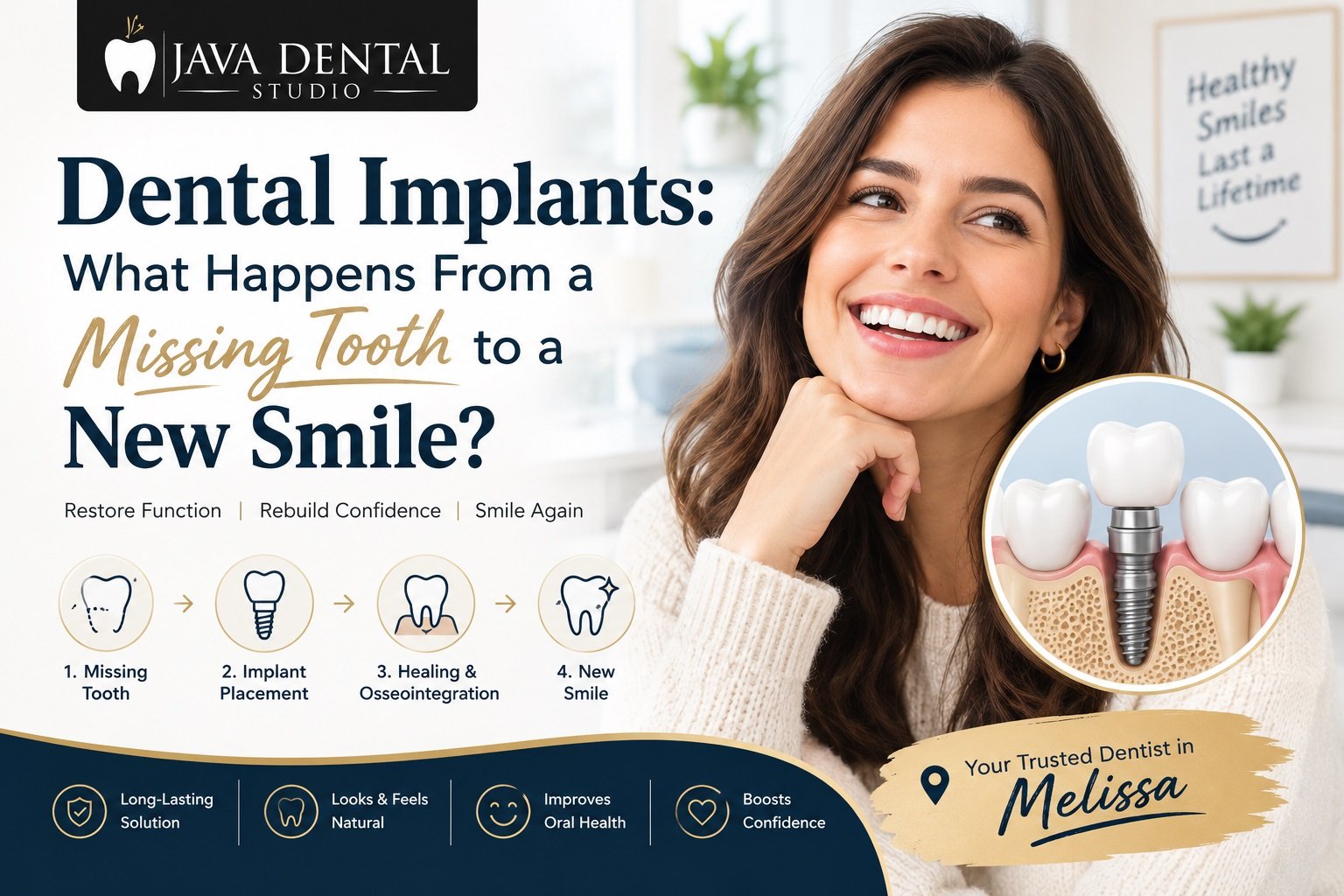
Missing teeth can affect far more than appearance alone.
They can make chewing difficult, affect speech, reduce confidence, and even contribute to long-term jawbone loss over time. For many patients, everyday activities such as eating comfortably or smiling confidently become more challenging after tooth loss.
That is one reason why dental implants have become one of the most popular tooth replacement solutions today.
Unlike removable options, dental implants are designed to function much more like natural teeth. They offer strong support, long-term stability, and a more natural feel while helping preserve jawbone health.
But many patients still have important questions before starting treatment:
How much do dental implants cost?
What does the procedure involve?
How long does healing take?
What should I expect during recovery?
Understanding the full dental implant process can help patients feel more prepared and confident about their treatment decisions.
What Are Dental Implants?
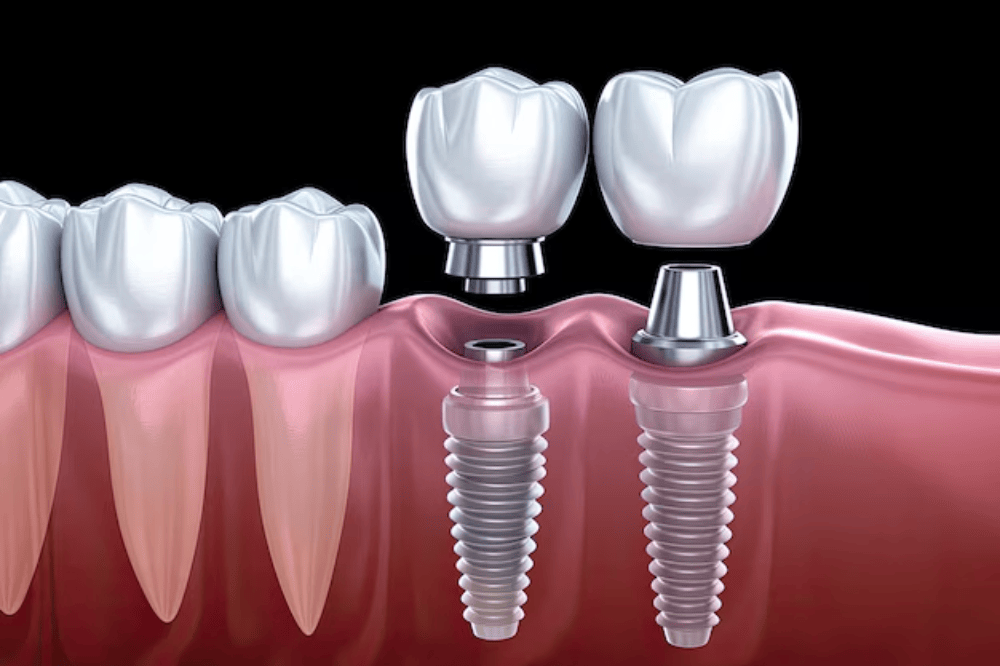
Dental implants are artificial tooth roots typically made from titanium that are surgically placed into the jawbone to support replacement teeth.
Once the implant integrates with the bone during healing, it acts as a secure foundation for a:
- Dental crown
- Dental bridge
- Implant-supported denture
Unlike removable dentures, implants remain fixed in place and are designed to function similarly to natural teeth.
Patients choosing Dental Implants in Melissa often prefer implants because they provide improved comfort, stability, and long-term durability.
Why Patients Choose Dental Implants?
Dental implants offer several advantages compared to traditional tooth replacement options.
One of the biggest benefits is stability. Because implants integrate directly with the jawbone, they provide strong support while reducing movement during eating or speaking.
Implants also help preserve jawbone structure after tooth loss. When teeth are missing, the jawbone may gradually shrink due to a lack of stimulation. Dental implants help reduce this bone loss by functioning similarly to natural tooth roots.
Patients also often appreciate the natural appearance and long-term durability that implants provide.
Who May Be a Good Candidate for Dental Implants?
Many adults with missing teeth may qualify for implant treatment, but eligibility depends on several oral health factors.
A dentist will usually evaluate:
- Gum health
- Jawbone density
- Number of missing teeth
- Overall oral health
- Medical history
- Smoking habits
Healthy gums and adequate bone support are important for implant success. Some patients with bone loss may still qualify after additional procedures such as bone grafting.
A professional dental assessment is necessary to determine the most appropriate treatment plan.
Understanding the Dental Implant Process
Dental implant treatment happens in several stages rather than a single appointment.
Although timelines vary between patients, the process generally follows a structured treatment plan designed for long-term success.
- Initial Consultation and Examination
The process begins with a detailed dental evaluation.
The dentist examines the teeth, gums, jawbone, and overall oral health while discussing the patient’s goals and treatment options.
Digital imaging or X-rays are often used to assess bone structure and determine implant placement planning.
This stage helps create a personalized treatment plan based on the patient’s specific needs.
- Implant Placement Surgery
During the surgical phase, the titanium implant is carefully placed into the jawbone.
The procedure is typically performed under local anaesthesia, and many patients report that discomfort is more manageable than expected.
After placement, the implant requires healing time to integrate naturally with the surrounding bone through a process called osseointegration.
This healing phase is extremely important for long-term implant stability.
- Healing and Osseointegration
Healing time varies depending on the patient’s bone condition and treatment complexity.
In many cases, healing may take several months as the implant fuses securely with the jawbone. During this stage, temporary restorations may sometimes be provided depending on the treatment plan.
Following post-operative instructions carefully helps support successful healing and implant integration.
- Abutment and Final Restoration
Once healing is complete, a connector piece called an abutment is attached to the implant.
A custom-made dental crown, bridge, or denture is then secured onto the implant structure to restore appearance and function.
The final restoration is designed to blend naturally with the patient’s smile while improving chewing and speaking ability.
What to Expect During Recovery
Most patients experience some mild swelling, soreness, or discomfort after implant surgery.
These symptoms are generally temporary and manageable with proper aftercare.
Patients are often advised to:
- Eat softer foods temporarily
- Maintain gentle oral hygiene
- Avoid smoking
- Follow healing instructions carefully
- Attend follow-up appointments
Recovery experiences vary, but many patients return to normal daily activities relatively quickly after the procedure.
Understanding Dental Implant Costs
One of the most common questions patients ask involves cost.
The price of Dental Implants in Melissa can vary significantly depending on several factors, including:
- Number of implants needed
- Type of restoration
- Bone grafting requirements
- Complexity of treatment
- Diagnostic imaging
- Materials used
Single implants generally cost less than full-mouth implant restorations, but every treatment plan is customized based on individual needs.
While implants often involve a higher upfront investment compared to dentures or bridges, many patients view them as a long-term solution because of their durability and stability.
A dental consultation is the best way to receive an accurate cost estimate tailored to the patient’s situation.
Benefits of Dental Implants
Dental implants provide several long-term advantages for oral health and daily comfort.
- Improved Stability
Implants remain securely fixed in place and do not shift during eating or speaking.
- Natural Appearance
Custom restorations are designed to match the surrounding teeth for a more natural smile.
- Better Chewing Ability
Patients can often eat a wider variety of foods more comfortably compared to removable dentures.
- Jawbone Preservation
Implants help support bone health by stimulating the jaw similarly to natural tooth roots.
- Long-Term Durability
With proper care, dental implants can provide long-lasting results for many years.
Are Dental Implants Worth It?
For many patients, dental implants are considered a worthwhile long-term investment in both oral health and quality of life.
They provide strong functional benefits while helping restore confidence, comfort, and everyday convenience.
However, the best treatment option always depends on the patient’s oral health condition, goals, and budget.
A professional evaluation helps determine whether implants are the most appropriate solution.
Everything You Need to Remember Before Treatment
Dental implants have transformed modern tooth replacement by offering a stable, durable, and natural-looking solution for missing teeth.
Understanding the treatment process, healing timeline, costs, and recovery expectations can help patients feel more prepared before beginning implant treatment.
For individuals exploring Dental Implants in Melissa, professional consultation and personalized treatment planning are essential for achieving successful long-term results.
At Java Dental Studio, our team provides personalized treatment planning and advanced restorative care for patients considering Dental Implants in Melissa.
We focus on comfortable care, long-term implant success, and helping patients restore healthy, confident smiles with modern implant dentistry solutions.
Let Java Dental Studio be your partner in lifelong dental wellness. Schedule your visit now and experience a healthier, more confident smile designed just for you.
FAQs
How long do dental implants last?
With proper oral hygiene and regular dental visits, dental implants can last for many years and may even last decades in some patients. Long-term success depends on healthy gums, bone support, and consistent dental care.
Is dental implant surgery painful?
The procedure is typically performed under local anaesthesia, and most patients experience manageable discomfort afterward. Mild soreness and swelling are common during the healing period but usually improve within a few days.
How long does the dental implant process take?
The full process may take several months because the implant needs time to heal and integrate with the jawbone before the final restoration is placed. Treatment timelines vary depending on the patient’s oral health and treatment complexity.
Are dental implants better than dentures?
Dental implants generally provide greater stability, improved chewing ability, and better jawbone preservation compared to traditional dentures. However, the best option depends on the patient’s oral health, budget, and treatment goals.
Can smokers get dental implants?
Smokers may still qualify for implants, but smoking can increase healing complications and affect long-term implant success. Dentists often discuss these risks during treatment planning.
What affects the cost of dental implants?
Implant costs vary based on the number of implants, restoration type, imaging, bone grafting needs, and overall treatment complexity. A consultation provides the most accurate estimate.
Do dental implants look natural?
Yes. Implant restorations are custom-designed to match the colour, shape, and appearance of surrounding teeth for a natural-looking smile.
How do I care for dental implants?
Dental implants should be cared for similarly to natural teeth through brushing, flossing, regular dental cleanings, and routine check-ups to maintain healthy gums and bone support.
Can dental implants replace multiple missing teeth?
Yes. Implants can support single crowns, bridges, or even full-arch restorations, depending on the number of missing teeth and the patient’s needs.
Where can I learn more about Dental Implants in Melissa?
You can visit Java Dental Studio to explore personalized treatment options for Dental Implants in Melissa from an experienced dental team focused on long-term oral health, comfort, and smile restoration.