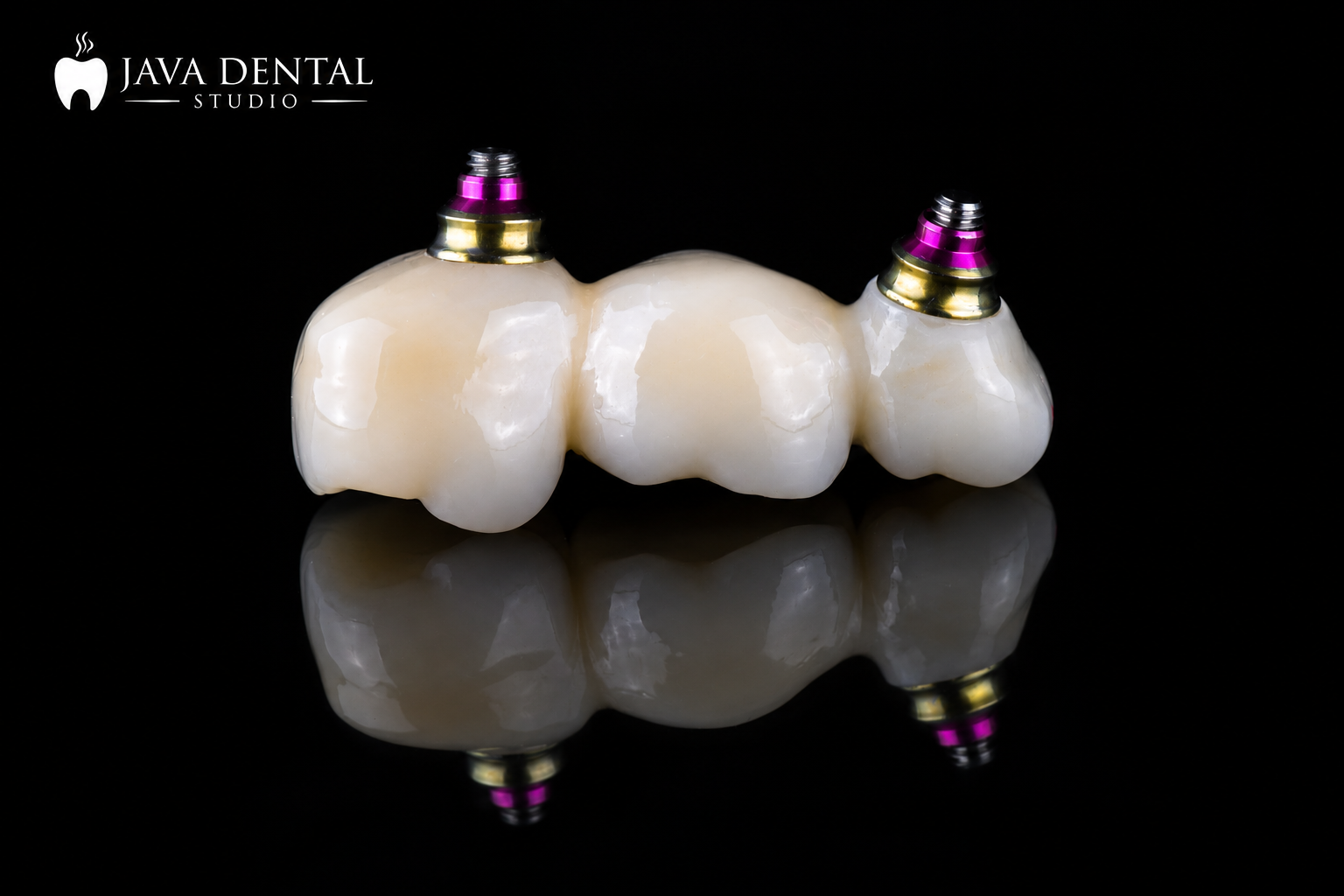
A missing tooth can affect more than your smile. It may change how you chew, influence the way nearby teeth meet, and make you think twice before speaking or laughing. Dental implants offer one way to replace missing teeth with a restoration anchored in the jawbone.
But before considering treatment, most people have practical questions: How much do dental implants cost? Can you get an implant and a replacement tooth on the same day? How long does the complete process take?
If you are researching dental implants in Melissa, understanding the costs, treatment stages, and same-day options can help you make a more informed decision. Here is what to know before scheduling a consultation.
How Much Do Dental Implants Cost in Melissa, TX?
The cost of a dental implant depends on the number of teeth being replaced, the condition of your jawbone, the type of restoration, and the procedures needed to prepare your mouth.
For a single dental implant in the North Texas market, a reasonable planning estimate is approximately $3,000 to $6,000 for the complete tooth replacement, including the implant post, abutment, and final crown. Some nearby practices advertise lower starting prices, so it is important to compare what each quote actually includes.
This is an estimated local market range, not a fixed fee or an official average for every dental office in Melissa.
Estimated dental implant costs
| Treatment | General estimated range |
|---|---|
| Single implant with abutment and crown | 3,000–6,000 |
| Bone grafting, if needed | Additional cost based on complexity |
| Tooth extraction, if needed | Additional cost |
| Implant-supported denture | Depends on the number of implants and denture design |
| Full-arch implant restoration | Often tens of thousands of dollars per arch |
These figures are general planning estimates, not a treatment quote. Full-arch restorations vary considerably depending on the number of implants, materials, temporary teeth, final prosthesis, and surgical requirements.
Important cost disclaimer: Prices are based on publicly advertised North Texas and Texas market information reviewed in November 2026. They are not verified fees for Java Dental Studio, and advertised prices may include different services. Your actual cost can only be determined after an examination and individualized treatment plan. Additional charges may apply for imaging, extractions, bone grafting, sedation, temporary restorations, or other procedures. Insurance benefits and financing terms also vary.
Why can two implant quotes be so different?
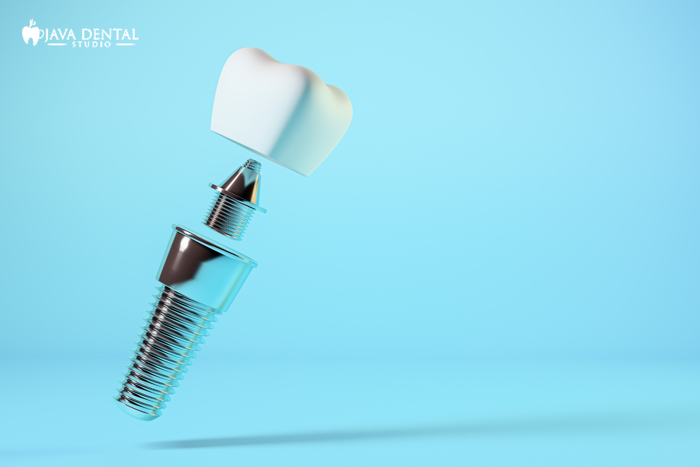
A dental implant is not just a small metal post placed in the jaw. A complete replacement tooth usually has three main components:
- Implant post: The small post placed in the jawbone to act as an artificial tooth root.
- Abutment: The connector that attaches to the implant.
- Crown: The visible replacement tooth, designed to fit with your surrounding teeth.
A quote that covers only implant placement may look less expensive than one that includes the abutment and final crown. Other differences can come from the materials used, the complexity of surgery, the need for additional procedures, and the type of final restoration.
Before comparing prices, ask whether the estimate includes all three components and whether any preparatory or follow-up treatment is billed separately.
What Factors Affect the Cost of Dental Implants?
There is no single price that applies to every patient. Your treatment plan is based on the condition of your mouth and the type of replacement teeth you need.
1. Number of missing teeth
Replacing one missing tooth usually requires a different treatment plan from replacing several teeth or an entire arch.
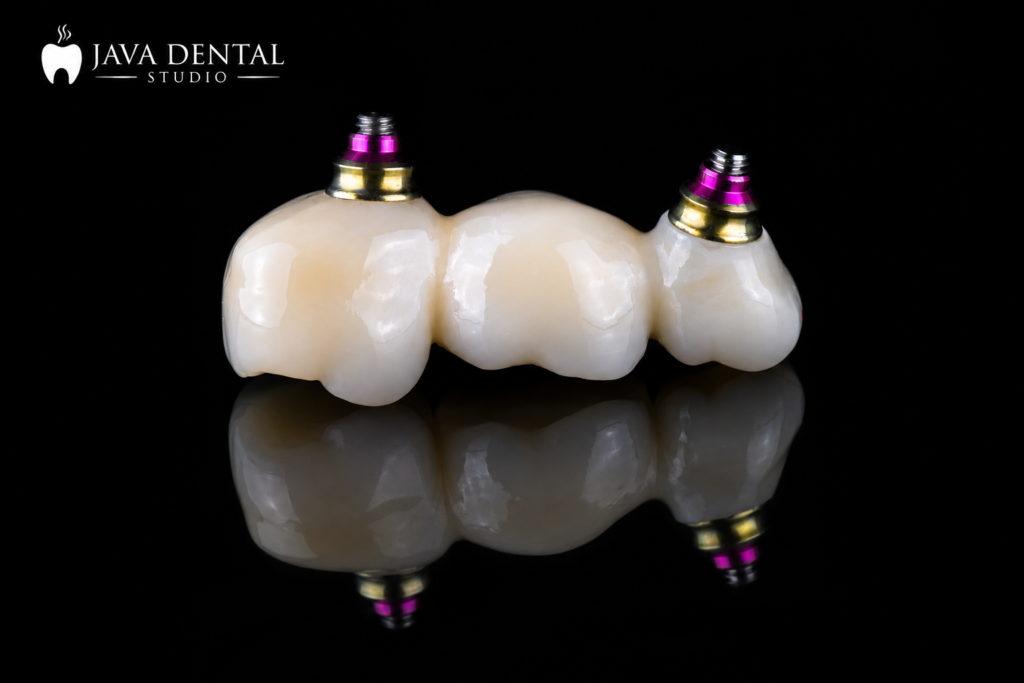
For example, a single implant may support one crown. Multiple implants may support an implant bridge or a full-arch restoration. Replacing several teeth does not always require one implant for every missing tooth because some implant designs can support more than one replacement tooth.
2. Jawbone health and bone grafting
Dental implants need adequate bone for support. After a tooth is lost, the surrounding jawbone may gradually change or shrink.
If there is not enough suitable bone at the implant site, a dentist or specialist may recommend bone grafting. This procedure adds or supports bone in the area so it can better accommodate an implant.
Bone grafting can increase the overall cost and extend the treatment timeline. Whether it is needed depends on your examination and imaging.
3. Tooth extraction
If a damaged tooth is still present, it may need to be removed before or during implant treatment.
Some patients may be candidates for implant placement at the same appointment as an extraction. Others need time for the extraction site to heal before implant surgery.
4. Type of replacement tooth
The final restoration may be a single crown, an implant-supported bridge, a removable implant-supported denture, or a fixed full-arch set of teeth.
Each option has different material, laboratory, and treatment requirements. The right design depends on how many teeth are missing, your bite, bone support, and oral health.
5. Imaging, sedation, and surgical complexity
Planning may involve dental X-rays or three-dimensional imaging. The surgical approach and any sedation needs can also affect the total estimate.
Ask for an itemized treatment plan so you understand which services are included and which may be additional.
Can You Get Same-Day Dental Implants?
Yes, some patients can receive dental implants in Melissa on the same day as a tooth extraction. In selected cases, a temporary replacement tooth can also be attached shortly after implant placement.
However, same-day dental implants do not always mean you receive your permanent tooth on the day of surgery.
There are two different treatment concepts worth understanding.
Same-day implant placement
This means the dentist places the implant post into the jawbone during the same appointment as the extraction.
It can reduce the number of separate surgical appointments, but it is not suitable for every extraction site. The condition of the surrounding bone, the presence of infection, the location of the tooth, and the ability to achieve implant stability all matter.
Same-day temporary teeth
In some cases, a temporary crown or other restoration can be attached to the implant on the day of surgery or soon afterward. This is sometimes called immediate loading or immediate provisionalization.
The temporary tooth may help maintain appearance while the implant heals. However, it may have restrictions on biting and chewing. A temporary restoration is not necessarily the same as the final custom-made crown.
The American Association of Oral and Maxillofacial Surgeons explains that immediate provisionalization and loading are possible for selected patients, but adequate bone support and implant stability are important considerations.
Who May Qualify For Same-Day Options?
A dental professional may consider factors such as:
- Adequate bone volume and quality at the implant site
- The ability to achieve good initial implant stability
- Healthy surrounding gum tissue
- The condition of the tooth being removed
- The absence of infection or other issues that could compromise treatment
- Bite forces and whether the temporary tooth can be protected during healing
A three-dimensional evaluation may help determine whether immediate placement is appropriate.
If the site needs to heal, has insufficient bone, or cannot provide the required stability, a staged approach may be more suitable. Taking additional time can be the more predictable choice for a particular patient.
What to Expect During the Dental Implant Process
Dental implant treatment is usually completed in stages. The exact timeline depends on your oral health, the location of the missing tooth, and whether additional procedures are needed.
Step 1: Consultation and treatment planning
The process begins with an examination of your teeth, gums, bite, and overall oral health.
Your dentist may review your dental and medical history and recommend imaging to assess the jawbone and implant site. This helps determine whether an implant is suitable and whether you need preparatory treatment.
You should also have an opportunity to discuss the expected cost, treatment alternatives, timeline, and any concerns about surgery.
Step 2: Tooth extraction or site preparation
If the damaged tooth is still present, it may need to be extracted. Depending on the condition of the area, implant placement may happen immediately or at a later appointment.
If the jawbone needs additional support, bone grafting may be recommended before implant placement or as part of a planned surgical procedure.
Step 3: Implant placement
During implant surgery, the implant post is positioned in the jawbone. The procedure is generally performed using local anesthesia, with other comfort or sedation options considered when appropriate.
After placement, the gum tissue is allowed to heal. Your dental professional will explain how to care for the surgical area and what foods or activities to avoid during early recovery.
Step 4: Healing and bone integration
The implant needs time to connect with the surrounding bone through a process called osseointegration.
During this stage, the bone gradually grows around the implant and helps hold it in place. This process can take several months. The timing varies according to the patient’s healing, bone quality, implant location, and whether grafting was performed.
Some patients receive a temporary restoration during this period. Others wait until the implant is sufficiently stable before moving to the next stage.
Step 5: Abutment and final crown placement
Once the implant has healed sufficiently, the abutment and final restoration can be placed according to the treatment plan.
For a single missing tooth, the final crown is customized to fit the space and coordinate with the colour and shape of nearby teeth.
Your dentist will check the fit and bite so the new restoration functions comfortably.
How Long Does the Entire Dental Implant Process Take?
There is no universal timeline for dental implants.
Some patients can receive an implant at the time of extraction, while others need to wait for the extraction site or a bone graft to heal first. The implant itself then needs time to integrate with the jawbone before the final restoration is attached.
A straightforward case may take several months from implant placement to the final crown. Cases involving bone grafting, infection management, or more complex restorations may take longer.
Same-day placement can shorten one part of the process, but it does not remove the biological healing period. Even when a temporary tooth is provided immediately, the implant still needs time to integrate with the bone.
Are Dental Implants Worth the Cost?
For many people, dental implants are worth considering because they replace the missing tooth root as well as the visible tooth.
Unlike a conventional dental bridge, a single implant does not usually require reshaping the neighbouring teeth to support the replacement. An implant can also help maintain stimulation in the area of the jawbone where the tooth is missing.
However, implants are not the only tooth-replacement option. A dental bridge or removable partial denture may be more appropriate depending on your oral health, budget, treatment goals, and preferences.
The best choice is not necessarily the most expensive one. It is the option that addresses your dental needs while considering long-term maintenance, function, and overall health.
Frequently Asked Questions About Dental Implants
How much does one dental implant cost in Melissa, TX?
A reasonable North Texas planning estimate for one complete dental implant, including the implant post, abutment, and final crown, is approximately $3,000 to $6,000. The actual cost depends on the treatment needed and what the dental office includes in its quote. This is an estimated market range, not a guaranteed price.
Are dental implants painful?
Implant placement is generally performed with local anesthesia to keep the surgical area numb. Some swelling, tenderness, or bruising can occur afterward. Your dental professional will provide instructions for managing recovery and explain what symptoms should prompt a follow-up call.
Can I get a dental implant immediately after tooth extraction?
Some patients qualify for immediate implant placement at the time of extraction. The decision depends on the condition of the extraction site, available bone, infection status, and whether the implant can achieve sufficient stability.
Will I leave with a tooth on the same day?
Some patients can receive a temporary tooth on the day of implant surgery. Others need to wait until the implant has healed before receiving the final crown. Same-day teeth are not appropriate for every case, and temporary restorations may have chewing restrictions.
How long do dental implants last?
Dental implants are designed as long-term tooth replacements, but their lifespan varies. The implant, abutment, and crown can experience different types of wear or complications. Regular dental visits, daily cleaning, and attention to gum health help support long-term maintenance.
Is bone grafting always necessary?
No. Bone grafting is only recommended when the available bone is not sufficient for the planned implant or when the treatment site needs additional support. An examination and appropriate imaging help determine whether it is needed.
Can smokers get dental implants?
Smoking does not automatically rule out implant treatment, but it can affect healing and reduce the likelihood of a favourable outcome. Be open with your dental professional about tobacco use and any medical conditions before treatment.
Conclusion
Dental implants can be a useful way to replace missing teeth, but the right treatment involves more than choosing a procedure or comparing advertised prices. Understanding what your quote includes, whether same-day treatment is appropriate, and how long healing may take can help you plan with realistic expectations.
The most useful first step is an individualized evaluation. It allows your dental team to assess your bone and gum health, discuss suitable replacement options, and explain the expected cost and timeline before you make a decision.
At Java Dental Studio, we offer dental implants in Melissa as part of a broader approach to restorative and long-term oral health. We focus on understanding your needs, discussing appropriate treatment options, and helping you feel informed about each stage of care.
If you are thinking about replacing a missing tooth, contact Java Dental Studio to arrange a consultation. You can discuss your oral health, ask about implant options, and understand what a treatment plan may involve before deciding how to move forward.