
Most people don’t start searching for a dentist until something hurts.
It could be a sudden toothache before an important meeting, a chipped tooth before a family wedding, or the moment you realize you’ve put off that routine check-up for too long. Within minutes, you’re scrolling through dozens of dental clinics, comparing ratings, reading reviews, and wondering who you can actually trust.
But the right time to find a dentist is before you need urgent treatment.
A good dental relationship should extend beyond fixing an occasional cavity. It should help you understand your oral health, prevent avoidable problems, make informed treatment decisions, and maintain your smile through different stages of life.
If you are searching for the best dentist in Melissa, consider several factors beyond online ratings and promotional offers.
Dental care is evolving, too. In 2026, patients have more ways to evaluate professional credentials, understand treatment plans, and benefit from modern diagnostic technology.
Here are seven important things to look for when choosing a dental practice.
1. Verify the Dentist’s Credentials and Professional Background
Before considering the appearance of a dental office or the services it advertises, start with the person responsible for your dental care.
A dentist’s professional qualifications establish whether they are licensed to practice and provide the foundation for understanding their clinical background.
In Texas, patients can verify a dentist’s license through the Texas State Board of Dental Examiners (TSBDE). You can check the provider’s license status and review publicly available disciplinary information.
When evaluating a dentist, consider:
- Whether the dentist holds an active Texas dental license.
- Their educational background and professional training.
- Whether they have additional training relevant to your treatment needs.
- Their experience with the procedures you are considering.
- Whether they participate in continuing dental education.
It is also important to understand the difference between a general dentist and a dental specialist.
For example, orthodontists receive additional specialty training in tooth alignment and bite correction, while periodontists focus on the supporting structures of the teeth, including gums and bone.
You do not necessarily need a specialist for every dental concern. However, a dentist should recognize when a case requires specialized evaluation or treatment.
What to ask: Is the dentist experienced in treating my particular dental concern, and when would you recommend a specialist?
2. Look for a Preventive Approach, Not Just Treatment When Something Hurts
One of the most useful signs of a good dental practice is how much attention it gives to preventing dental problems.
Many patients associate dental appointments with fillings, crowns, root canals, or professional cleaning. But preventive dentistry involves much more than addressing problems after they develop.
A preventive approach considers your individual oral health risks and helps you understand how to reduce them.
For example, two patients may visit the dentist with healthy-looking teeth but have very different preventive needs.
One may have a history of frequent cavities, while the other may be more vulnerable to gum disease. Their examination schedules, home-care recommendations, and preventive treatments may therefore differ.
A dentist should consider factors such as:
- Previous cavities and dental restorations.
- Gum health and signs of inflammation.
- Brushing and flossing habits.
- Diet and frequent sugar exposure.
- Dry mouth and relevant medications.
- Teeth grinding and enamel wear.
- Existing dental conditions and medical history.
Routine examinations, professional cleanings, fluoride recommendations, and appropriate dental imaging can all contribute to preventive care.
The important point is that your dental plan should reflect your actual needs rather than follow an identical routine for every patient.
3. Evaluate the Technology Used for Diagnosis and Treatment
Dentistry has changed considerably over the years. Modern dental technology can help practitioners examine oral structures, plan treatments, and communicate findings more clearly.
However, choosing a dental practice should not be about finding the office with the longest list of machines.
It is about understanding how appropriate technology contributes to your care.
Here Are a Few Technologies Worth Understanding:
1. Digital Dental X-Rays
Digital radiographs help dentists evaluate areas that may not be visible during a regular visual examination. They can assist in identifying certain cavities, examining tooth roots, and assessing supporting structures.
Dental X-rays should be recommended according to individual clinical needs, not taken automatically without considering their purpose.
2. Intraoral Cameras
An intraoral camera is a small camera that allows the dentist to show you detailed images of your teeth and surrounding tissues.
Instead of simply hearing that a tooth has a problem, you may be able to see the area being discussed.
This can make treatment conversations easier to understand.
3. Digital Scanners
Digital intraoral scanners capture detailed images of the teeth and oral structures.
Depending on the procedure, these scans can support treatment planning for crowns, orthodontic appliances, and other dental restorations.
4. Advanced Imaging
For certain procedures, such as dental implant planning, three-dimensional imaging may be useful to evaluate bone anatomy and nearby structures.
However, advanced imaging is not necessary for every dental patient or procedure. It should be recommended when the additional information is clinically useful.
4. Pay Attention to How the Dentist Explains Treatment Options
Understanding your treatment is just as important as receiving it.
Dental terminology can be confusing, especially when you are discussing procedures such as root canals, periodontal treatment, dental implants, or restorative work.
A good dentist should explain the problem in language you can understand and give you an opportunity to ask questions.
For example, if a tooth has extensive damage, you may want to understand why a filling is not sufficient and why a crown has been recommended.
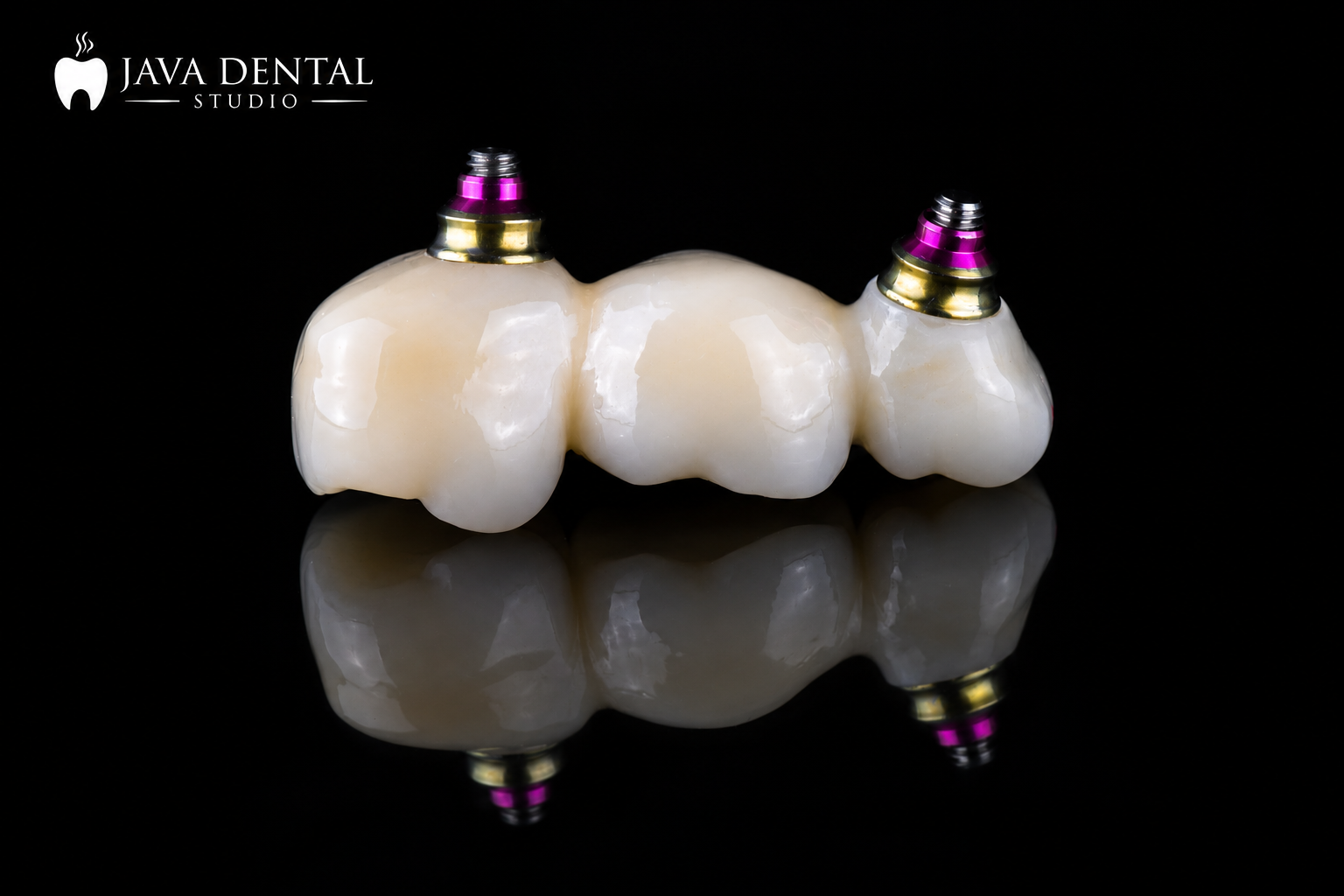
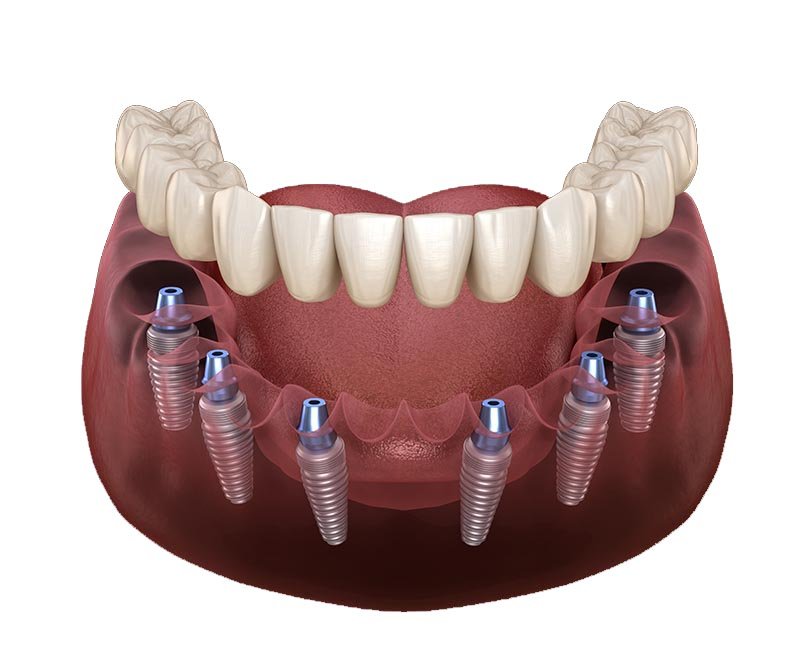
Similarly, if you have a missing tooth, you should be able to discuss whether a dental implant, bridge, or denture may be suitable.
A useful treatment conversation should cover:
- What the examination revealed.
- Why a particular treatment is recommended.
- Whether alternative approaches are available.
- The expected benefits and limitations.
- Possible risks and complications.
- What may happen if treatment is postponed.
- The expected recovery and follow-up requirements.
Patients should not feel pressured into making immediate decisions about complex treatment without understanding their options.
Transparency is particularly important when a treatment plan involves several procedures.
5. Consider the Range of Dental Services Available
Your dental needs can change considerably over time.
You may initially visit a dentist for routine examinations and cleaning. Later, you might need a filling, a crown, orthodontic treatment, or a solution for a missing tooth.
For families, the requirements can be even broader because children, teenagers, adults, and older family members may all need different types of care.
This is why it can be useful to consider the range of services available at a dental practice.
Depending on your needs, relevant services may include:
- Preventive dentistry: Examinations, professional cleanings, fluoride treatments, and gum health monitoring.
- Restorative dentistry: Fillings, crowns, bridges, dentures, and other treatments that repair or replace damaged teeth.
- Cosmetic dentistry: Teeth whitening, veneers, and other procedures designed to address the appearance of your smile.
- Orthodontics: Treatment options that address tooth alignment and bite concerns, including clear aligners where appropriate.
- Dental implants: Tooth-replacement solutions for patients with missing teeth.
- Children’s dentistry: Preventive examinations, cavity management, oral hygiene education, and monitoring of developing teeth.
A practice offering a broad range of services may make it easier to coordinate different aspects of dental care in one location.
However, comprehensive services do not mean every procedure should necessarily be performed by the same dentist. Complex cases may still require collaboration with a specialist.
6. Look Beyond Reviews and Evaluate the Patient Experience
Online reviews can help you understand how other patients describe their experiences, but they should not be your only decision-making tool.
A high rating may tell you that many patients have had positive experiences. It does not necessarily explain whether the dentist is suitable for your particular needs.
When reading reviews, look for recurring details rather than focusing only on the overall score.
For example:
- Do patients mention clear explanations?
- Does the dental team listen to concerns?
- Are treatment recommendations explained?
- Do patients describe feeling rushed or pressured?
- Is the office experience organized?
- Are staff members helpful with scheduling and questions?
It is also worth paying attention to how the practice communicates with patients before and after appointments.
A comfortable dental experience is not just about having a pleasant waiting room. It includes being treated respectfully, understanding what will happen during treatment, and knowing whom to contact if you have questions afterward.
Consider Your Own Comfort Level
If you experience dental anxiety, make this part of your selection process.
Ask how the dental team accommodates nervous patients, whether procedures are explained beforehand, and what comfort measures are available.
For families, consider whether the practice is experienced in helping children become familiar with dental appointments.
The right environment can make it easier to maintain regular dental visits rather than delaying care because of anxiety.
7. Understand Treatment Costs, Insurance, and Appointment Accessibility
Even when a dental practice seems clinically suitable, practical considerations can influence whether you can maintain consistent care.
Before committing to a treatment plan, make sure you understand the financial arrangements and what is included.
Dental treatment costs vary depending on the procedure, materials, complexity, and individual clinical requirements.
Ask for a written treatment estimate when appropriate and clarify:
- The estimated cost of each recommended procedure.
- Whether your dental insurance may cover any portion.
- Whether preauthorization is needed.
- What out-of-pocket expenses you may have.
- Whether payment arrangements are available.
- Whether additional procedures could affect the total cost.
Remember that insurance coverage and clinical suitability are separate considerations. A procedure being covered does not mean it’s the right treatment, and a recommended treatment may not always be covered by your plan.
Don’t Overlook Convenience
Your ability to attend appointments consistently matters.
Consider the practice’s location, appointment availability, office hours, and how it handles dental emergencies.
For busy families in Melissa, evening or weekend availability may also be worth considering.
A dental practice that fits reasonably well into your schedule can make preventive appointments easier to maintain.
Frequently Asked Questions
How do I find the best dentist in Melissa?
Start by checking the dentist’s Texas license and professional background. Then evaluate preventive care, communication, technology, treatment options, patient experience, available services, and financial transparency. Your personal needs should guide the final decision.
Should I choose a family dentist or a specialist?
A family dentist can often manage routine preventive, restorative, and general dental needs for different age groups. A specialist may be appropriate when you need treatment requiring additional expertise, such as complex orthodontic, periodontal, or surgical care.
How often should I visit my dentist?
Many patients benefit from routine dental examinations and cleanings every six months. However, your ideal schedule depends on your gum health, cavity risk, medical history, and other individual factors.
Is advanced dental technology important when choosing a dentist?
Technology can support accurate diagnosis, treatment planning, and patient communication. However, it should be selected according to clinical need. Appropriate training, clinical judgment, and clear communication remain essential.
Should I get a second opinion before major dental treatment?
A second opinion can be helpful when you are considering extensive or complex treatment, or when you want to understand alternative approaches. It can give you additional information before making a decision.
What should I do if I have a dental emergency?
Contact a dental office promptly if you experience severe tooth pain, a broken tooth, dental trauma, or swelling. Significant facial swelling, difficulty breathing or swallowing, or other signs of a serious infection may require emergency medical attention.
Choose Dental Care That Supports Your Smile for Years to Come
Finding the right dentist is about more than a convenient location or an impressive list of services. It is about establishing a relationship with a dental team that understands your concerns, explains your options, values prevention, and helps you make informed decisions.
Take the time to check credentials, understand treatment recommendations, evaluate the patient experience, and consider how well a practice can support your changing dental needs.
A good dental relationship should make you feel informed about your oral health and confident about the decisions you make.
Comprehensive Family Dental Care at Java Dental Studio
Your family’s dental needs do not stay the same forever. A child’s first dental checkup, a teenager’s orthodontic evaluation, an adult’s restorative treatment, or a parent’s interest in dental implants may all require different approaches.
Having the best dentist in Melissa that understands these changing needs can make maintaining everyone’s oral health more manageable.
At Java Dental Studio, we bring together preventive, restorative, cosmetic, orthodontic, implant, pediatric, and general dental care to support individuals and families in Melissa and surrounding communities.
Our approach goes beyond treating the immediate dental concern. We believe patients should understand what is happening with their oral health, why a treatment may be recommended, and how they can protect their smiles between appointments.
With an emphasis on personalized care, patient education, comfort, and modern dental techniques, we work to make dental visits a more informed and reassuring experience for every member of the family.
Whether you need a routine examination, want to discuss a treatment option, are looking for a dental home for your children, or have questions about restoring your smile, our team is here to help you explore the care that fits your needs.
Contact Java Dental Studio to schedule an appointment and take the next step toward a healthier, more confident smile.